
Sustainable solutions
for the coexistence
of humans, wildlife,
and ecosystems
_________________________________________________________________________________________
We are living in an age of massive global plunder and destruction of our planet.
Within just a few generations, we are destroying more forests, wildlife, and soil than all of humanity has destroyed in its entire history.
We wage wars over raw materials and mineral resources, over spheres of influence and power. We are polluting the oceans and transforming vibrant ecosystems into barren wastelands. Many of us are actively involved, by contributing to the destruction ourselves or profiting from the plunder, and a large majority by standing idly by.
We have forgotten how to live sustainably with our planet's ecosystems.
In times of ever-increasing population growth, it is therefore essential to find new solutions for coexistence between humans and wildlife and ecosystems.
That is what we are committed to!
What do we do? At a glance!

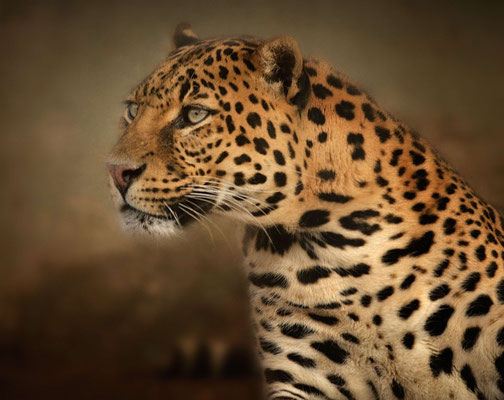
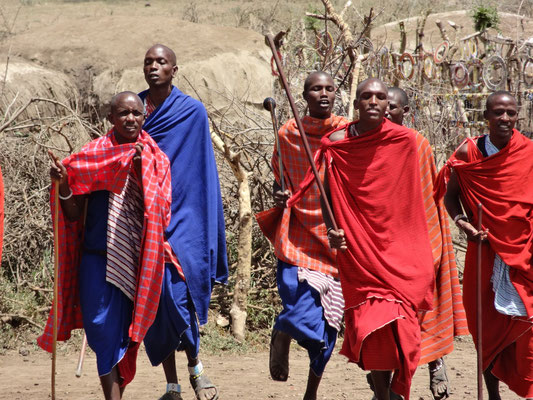


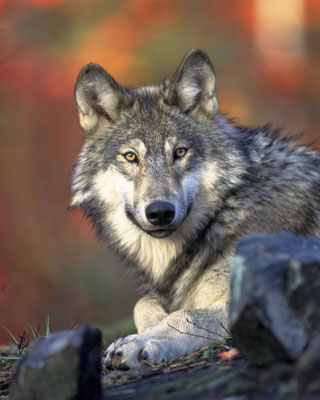
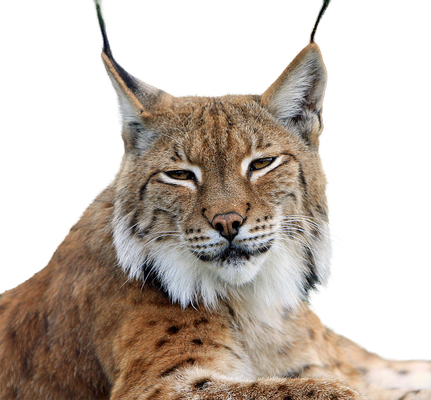

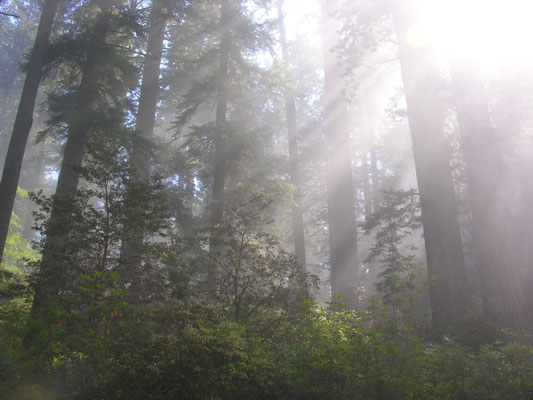
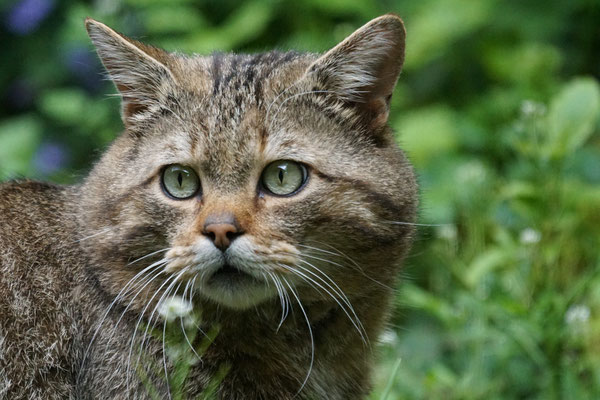
Coexistence of Humans, Wildlife, and Ecosystems
The ability of humans and wildlife to coexist in the same habitat is as old as humanity itself and has functioned for tens of thousands of years. Only in modern times has the idea of uninhabited protected areas emerged, arguing that sustainable coexistence between humans and wildlife is otherwise impossible. This has often led, particularly in countries of the Global South, to forced relocations or displacement of local populations to make room for national parks and other protected areas. This has resulted in numerous human rights violations, as well as the fragmentation of still-intact small or medium-sized ecosystems within human-occupied areas, and consequently, the genetic impoverishment of wildlife populations. New solutions for species conservation and coexistence must be developed. This is what we are addressing.
We believe that there are other ways of doing things, and that coexistence between humans and wildlife is entirely possible even with a growing population, provided that appropriate conditions are created, the local population is involved in conservation measures, or even develops these measures themselves. We see it as our responsibility to advise, support, and participate in such processes.
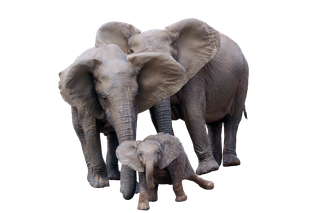
We work on developing solutions and transferable models for the sustainable coexistence of people, wildlife, and ecosystems. We support and advise on the development and implementation of community-based nature conservation projects by local populations and promote nature and species conservation projects, as well as projects focused on education and humanitarian aid, primarily by small, local NGOs. We consider improving the living conditions of people in our project regions to be a crucial prerequisite for the successful implementation of nature conservation measures.
In our work, we use wild animals as bioindicators for the state of ecosystems and for assessing the implementation of conservation measures. Where possible, we focus primarily on big cats and elephants, as they are likely most frequently involved in conflicts with humans in the areas where they occur. With regard to ecosystems, our focus is on forests.
A film about our work. At the moment in german only. A film with english subtitles is in preparation.

About Us
The Wildlife and People Coexistence Network is a project of the Wild Land - Wild Spirit Foundation.
This is a registered non-profit trust foundation working on the topics of human-wildlife coexistence, nature and species conservation with indigenous peoples, and the implementation of nature conservation with local communities. The Wildlife and People Coexistence Network is one of two projects of the Wild Land - Wild Spirit Foundation. The second project is the Rainforest Center Darmstadt. The Rainforest Center works directly with the Wildlife and People Coexistence Network and handles its public relations work in the Darmstadt/Southern Hesse region.
What topics do we work on?
We work on developing solutions for the coexistence of humans and wildlife and for the protection of large-scale forest ecosystems. One focus is on supporting and advising local, often indigenous, village communities on coexistence with wildlife and the implementation of conservation measures. In doing so, we primarily use big cats and elephants as bioindicators for assessing ecosystem quality and the effectiveness of conservation efforts.
How do we work?
We establish contacts with various projects we are familiar with from our work on the ground or have researched ourselves. These projects focus on coexistence with wildlife or the protection of ecosystems, with a particular emphasis on projects involving indigenous peoples or local village communities. Through initial funding, we create a foundation for project partnerships. To this end, we offer funded projects the opportunity to document themselves and their work with short video clips, allowing us to present their work to a wider audience and thus attract further funding. We use wildlife as bioindicators to assess the state of ecosystems in our project partners' regions and the effectiveness of their conservation efforts. Wherever possible, we work with big cats and elephants.
Where do we work?
We work in several regions of Asia, Africa, and Europe.
1. Forest regions, both in tropical and other climate zones, with their wildlife and local, often indigenous, communities, as well as forest regions of Central and Northern Europe.
2. Territories of indigenous peoples and local village communities. Globally, approximately 80% of the remaining biodiversity is found on indigenous lands. We support conservation projects of indigenous peoples and local village communities and their interconnections.
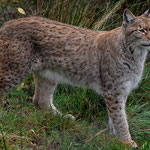
3. Regions with big and small cats. In all the forest regions where we work, "wild cats" are found or were once widespread. From the European lynx and leopard to the giant tiger in the Amur region of Siberia, cats inhabit a wide variety of forest ecosystems. In our work, we aim to determine the extent to which these cat populations can provide information about the state of the ecosystems and the implementation of conservation measures. In southern Hesse, where our foundation is based, we work on issues of coexistence with the recently returning lynx and wildcats, and also with wolves and beavers.
4. Elephant regions, with a focus on dry forests and rainforests in Asia and Africa. In elephant regions, work on coexistence with big cats and elephants is closely intertwined, as they usually share common habitats.
It has become clear that we cannot leave the protection of global ecosystems,
especially forests, solely to the large, internationally active conservation organizations,
because despite all their efforts, forest destruction continues.
Agreements between deforesters and some of the large conservation organizations
often allow destruction or conversion, for example into palm oil plantations,
if other areas, sometimes only relatively small percentages, are protected in return.
Therefore, we rely heavily on local people in our work.
On local village communities, indigenous peoples, citizen initiatives, and committed individuals,
because their interest in preserving forests stems from personal experience.
While large, professionally run organizations certainly make a valuable contribution,
it may be all these small, local projects that will be decisive in saving what remains.
Our two programs described below are therefore very strongly designed
to support local conservation projects.
Our 2 Programs
Program I

Human Elephant Landscapes
Program
- our Program for some Elephant Regions
in Asia and Africa
Program II
Wild Cats Program

Wild Cats
In many of the world's large forest regions, small and large cats are found as part of complex ecosystems. Cats are synonymous with wild, untouched forests, even though they can also be found in sustainably managed forests. The protection of feral cats is of particular importance to us, and we support and promote projects related to this topic. Above all, we use feral cats as bioindicators to assess the state of ecosystems and the effectiveness of conservation measures based on their presence or absence.
Forests
Many of the world's large and small cat species live in forests. Therefore, cat conservation is closely linked to the preservation of large forest ecosystems. Their destruction is one of the worst catastrophes of our time and a major factor in climate change and species extinction, often accompanied by the displacement of local populations and human rights violations.
Indigenous Peoples as Guardians of Biodiversity
We support projects for the protection and restoration of forest ecosystems and the conservation of biodiversity, especially projects by indigenous peoples, local communities, and small, locally operating NGOs. We contribute to the development of transferable models for creating large-scale forest conservation areas that include existing national parks and protected areas as well as areas of human use and settlement.

The Return of Lynx and Wildcat to the Forests of Southern Hessen
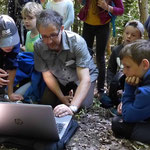
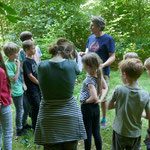
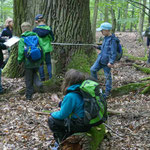
...is part of our Wild Cats Program and our "local initiative." Originating from our work on coexistence with big cats in Africa and Asia, this project is the logical next step in the return of lynx and wildcat to our home region in Southern Hesse. Other wild animals, such as wolves and beavers, have also migrated to our area in recent years and recolonized some of their former habitats. In addition to a research project on the return of wildcat, lynx, beaver, and wolf, we primarily focus on educational outreach to create better conditions for these returning species to thrive. Here, too, we use these wild animals as bioindicators to assess ecosystems and the effectiveness of implemented conservation measures in Southern Hessen.

Partial Funding for Our Two Programs
Through an Annual Art Event
Together with the Darmstadt Rainforest Center and its "Elephant Workshop," we organize regular art events to raise funds for our two programs. We are currently building a life-size elephant, which will be painted by local artists and will serve as an advertising platform for institutions, companies, schools, and associations in the region. You can find more details on the Rainforest Center's website. With our first art event, we plan to partially fund the next steps of our project Human Elephant Landscapes Program.
Project partner Rainforest Centre Darmstadt
The Wildlife and People Coexistence Network and the Rainforest Center Darmstadt are the two projects of the Wild Land - Wild Spirit Foundation. Both work closely together to achieve their goals. The Rainforest Center offers educational events on global and regional conservation issues and provides the Wildlife and People Coexistence Network with a venue to present its work in the Darmstadt region.





Promoting the global networking of village communities
and local conservation projects
Despite the work of many large, international conservation organizations, we are in the midst of the greatest mass extinction since the disappearance of the dinosaurs 65 million years ago, demonstrating that the work of these organizations alone cannot prevent it. At the same time, it has been found that more than 80% of the remaining biodiversity is found on the lands of indigenous peoples and local village communities, proving the enormous importance of these communities for global species conservation. Nevertheless, indigenous communities are still being displaced from their lands or forcibly resettled in the name of conservation, sometimes in cooperation with conservation organizations. The number of these displaced "conservation refugees" worldwide is now estimated at around 130 million people. We see these local village communities as a key factor in the future of global nature and species conservation. Often, it is small, local projects initiated by these communities, or simply their way of life, that lead to the sustainable preservation of their land and biodiversity. Often, these projects are too small and the number of people in the communities too low to achieve much on their own. That is why networking is so important. Many of these communities are already cooperating across continents, developing joint positions and projects. Others have developed solutions to nature conservation issues that have not yet reached other regions but could be very helpful there. Therefore, it is a particular focus of our work to help create networks between these communities and to provide advisory and supportive assistance.
Films, Links, Petitions
An important aspect of our work is to showcase at least some of the local projects and NGOs operating worldwide, in order to raise awareness and help them access funding. We do this by linking to videos, their websites, and petitions.